
Surgery is never “just routine” when it is your pet, and we treat every cat and dog surgery like our own four-legged family member is undergoing a procedure. Even when a surgical procedure is planned, it is natural to think about anesthesia, comfort, recovery, and whether you are making the right decision.
For pets who need surgery in East Gwillimbury, ON, Blackstone Animal Hospital provides careful surgical care with the communication you need before, during, and after the procedure. We take time to explain what is being recommended, how we help manage safety and pain, and what your pet’s recovery may look like at home.
Call us at (905) 853-4738 or request an appointment online to schedule a surgical consultation.
How Do We Help Keep Pets Safe During Surgery?
Every surgical patient has different health needs, which is why we plan anesthesia and monitoring around the individual pet and procedure.
As an AAHA-accredited, Fear Free Certified, and Cat Friendly Gold animal hospital, Blackstone Animal Hospital follows established standards for surgical care while also taking steps to reduce fear and stress.
Before surgery, our veterinarian examines your pet and may recommend pre-anesthetic bloodwork or diagnostic testing. These results can help us evaluate organ function, identify health concerns that could affect anesthesia, and develop an appropriate surgical plan.
During your pet’s procedure, our surgical care includes:
- An anesthetic protocol tailored to your pet
- Continuous monitoring of vital signs
- Pain management before, during, and after surgery
- Sterile surgical techniques
- Measures to maintain body temperature
- Careful monitoring during anesthetic recovery
- Detailed discharge instructions
- Follow-up recommendations based on the procedure
What Conditions May Require Surgery in Dogs and Cats?
Veterinary surgery may be recommended to prevent disease, treat an injury, remove abnormal tissue, correct an anatomical problem, or address a condition that cannot be managed effectively with medical treatment alone.

Cat and Dog Surgeries We Provide
Blackstone Animal Hospital performs a range of general, dental, soft tissue, and surgical procedures for dogs and cats in East Gwillimbury. When a pet requires a procedure involving additional surgical expertise, we can also coordinate appropriate surgical care at our hospital when available.
What Should I Expect Before My Pet’s Surgery?
Preparation depends on the procedure and your pet’s medical history. Before surgery, our team will review the surgical plan and give you specific instructions for your pet.
We may discuss:
- Fasting before anesthesia
- Current medications and supplements
- Pre-anesthetic bloodwork or other testing
- Anesthesia and pain-management plans
- Drop-off and discharge times
- Expected recovery
- Postoperative activity restrictions
- Follow-up appointments
What Happens on the Day of Surgery?
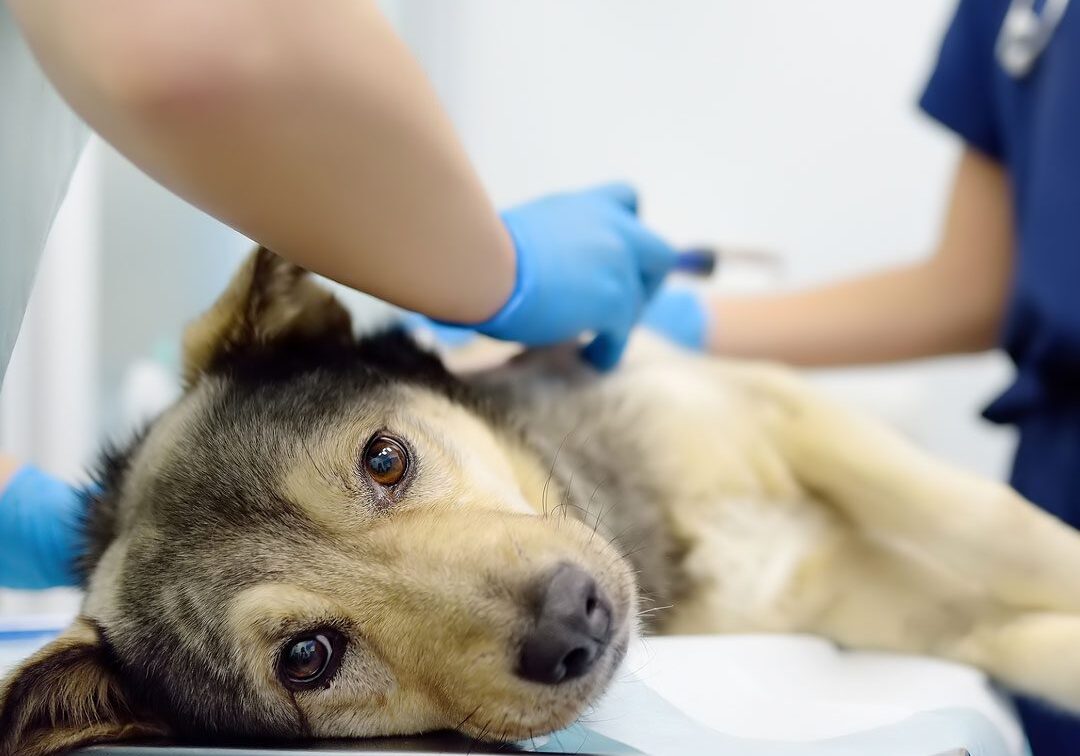
After your pet arrives, our team prepares them for the procedure and confirms the surgical and anesthetic plan.
Once your pet is under anesthesia, we continuously monitor important parameters throughout the procedure. After surgery, your pet moves into recovery, where our team continues monitoring them as they wake.
When your pet is ready to go home, we will review any medications, incision care, feeding recommendations, activity restrictions, and warning signs to watch for.
How Long Does Recovery Take After Pet Surgery?
Recovery time varies considerably depending on the type of surgery, your pet’s age and health, and how well the incision is healing.
A minor procedure may require several days of restricted activity, while orthopedic surgery or a more extensive soft tissue procedure may require several weeks of controlled recovery and follow-up care.
During recovery, your pet may need:
- Restricted running and jumping
- Leash-only bathroom breaks or walks
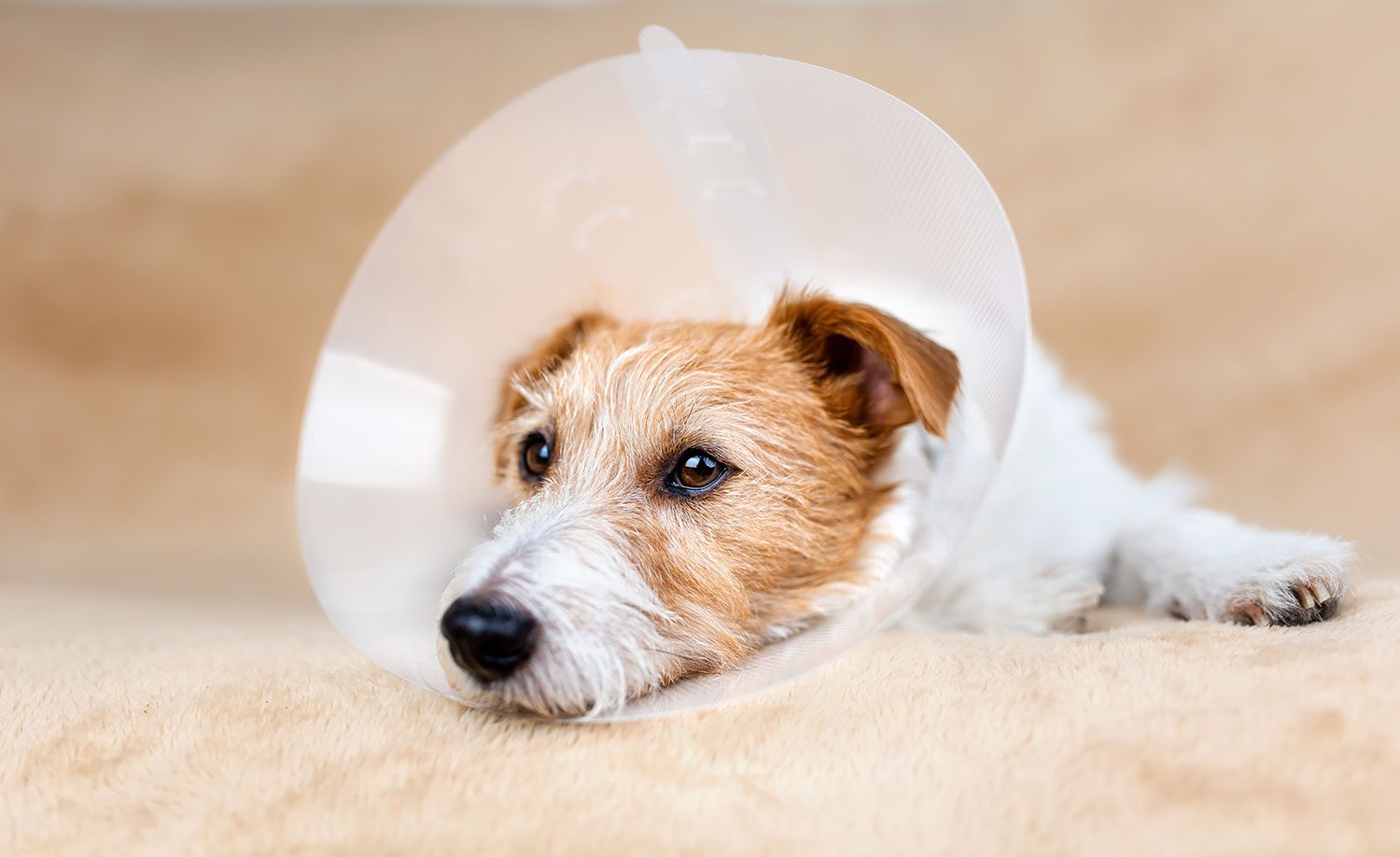
- An Elizabethan collar or recovery suit
- Prescribed medications
- Incision monitoring
- Follow-up examinations
- Suture or staple removal when applicable
- Gradual return to normal activity
If you have questions or concerns about your pet’s surgical procedure, call us at (905) 853-4738 or schedule a consultation online.