
For many pet owners, spay or neuter surgery is one of the first surgical decisions they make for their dog or cat, and it is normal to have questions about timing, safety, recovery, and what may change afterward.
At Blackstone Animal Hospital, we provide cat and dog spay and neuter surgery with careful pre-surgical planning, attentive monitoring, pain management, and detailed home care instructions. Our East Gwillimbury team will help you decide when the timing is right, explain what happens on surgery day, and make sure you know what to expect once your pet comes home.
If you’re unsure when your pet should be spayed or neutered, call us at (905) 853-4738, or schedule their procedure online.
How Do I Know If My Pet Is Old Enough to Be Spayed or Neutered?
The right age to spay or neuter your pet depends on their species, breed, size, health, lifestyle, and development. Many cats and dogs can be spayed or neutered while they are still young, but some larger breed dogs may benefit from a more personalized timing discussion.
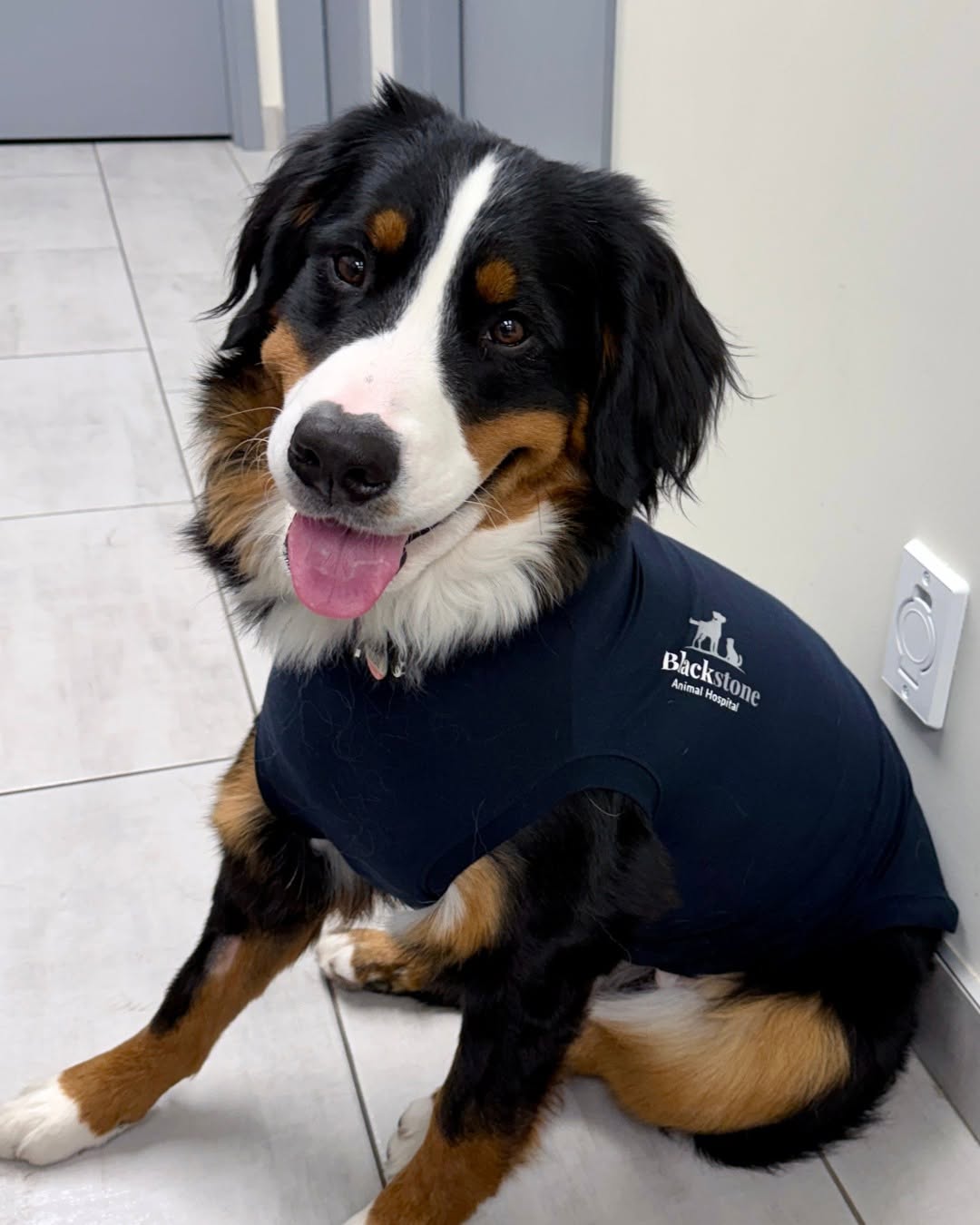
Our veterinarian will help you decide based on factors such as:
Your pet’s age and weight
Breed and expected adult size
Current health and medical history
Vaccine status
Behaviour and lifestyle
Risk of accidental pregnancy or breeding
Any breed-related orthopedic or health considerations
If you recently adopted a puppy, kitten, dog, or cat, we can review their records and recommend an appropriate timeline. The goal is to choose a safe, practical time that supports your pet’s long-term health.
Safety During a “Routine” Surgery
Spay and neuter procedures may be common, but we do not treat them casually. Surgery and anesthesia require planning, monitoring, pain control, and a team that pays close attention before, during, and after the procedure.
Before surgery, our veterinarian may recommend an exam and pre-anesthetic bloodwork to help assess your pet’s overall health. On surgery day, our team will review your pet’s plan, prepare them for anesthesia, monitor them throughout the procedure, and support them during recovery.
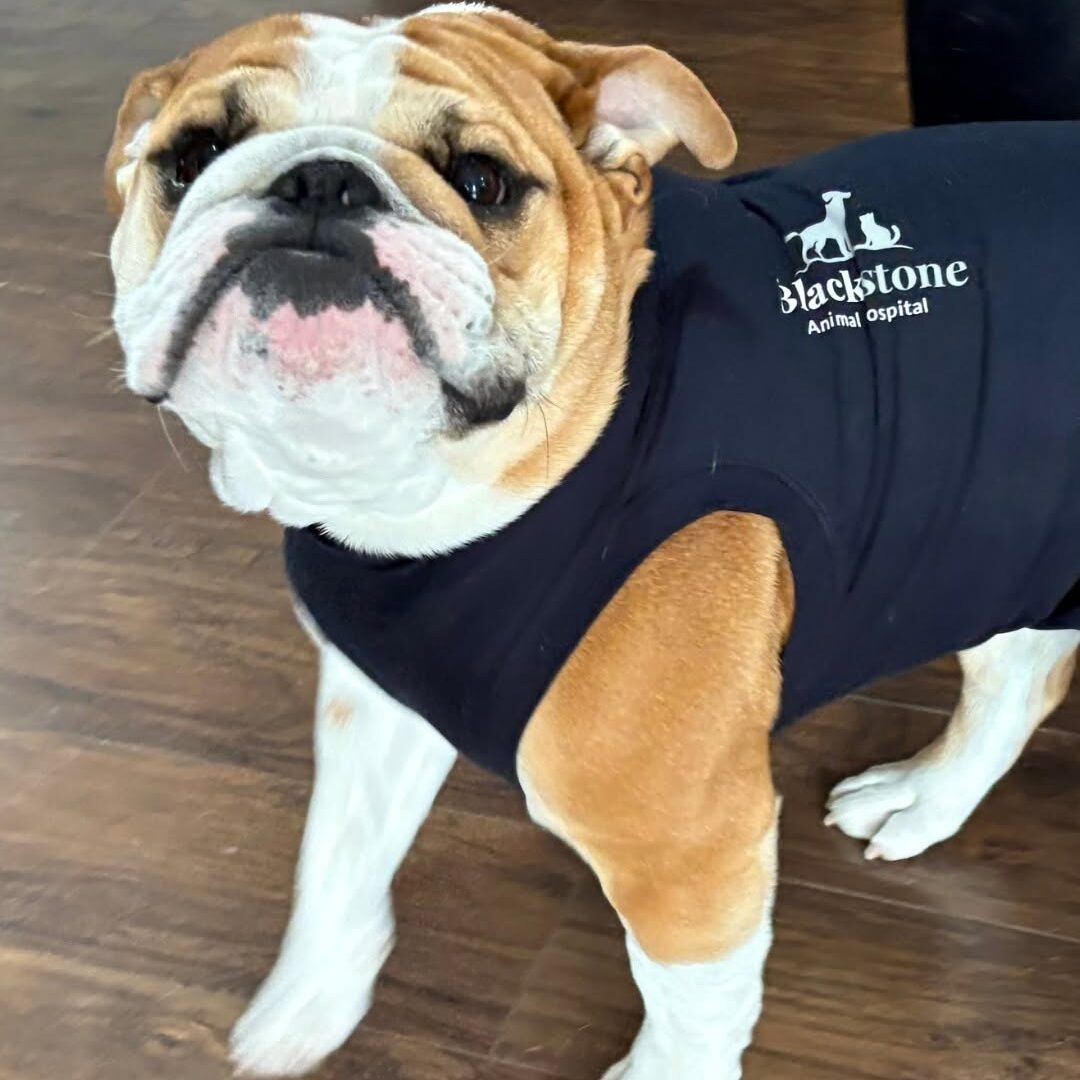
As an AAHA-accredited animal hospital, we follow the highest standards in safety measures. We strive to keep your pet as safe and comfortable as possible to promote a smooth recovery, so you can expect:
- Pre-surgical health assessment
- Pre-anesthetic bloodwork when recommended
- Individualized anesthesia planning
- Careful monitoring during anesthesia
- Pain management before, during, and after surgery
- Sterile surgical technique
- Recovery monitoring before discharge
- Clear home care instructions
We know it can feel hard to leave your pet for surgery, even for a planned procedure. Our team will explain what to expect and let you know how your pet is doing.
What to Expect After Your Pet Has Been Spayed or Neutered
Most pets go home the same day after spay or neuter surgery. They may be sleepy, quieter than usual, or a little unsteady for the first evening after anesthesia. This is expected, but we will tell you what is normal and what should prompt a call.
At home, your pet will need rest, limited activity, and protection from licking or chewing at the incision. Running, jumping, rough play, bathing, and swimming should be avoided until your veterinarian says it is safe.
Spaying and neutering can also affect metabolism. Some pets need fewer calories after surgery, which means weight gain can happen if food portions stay the same. We can help you adjust feeding amounts, treats, and activity so your pet maintains a healthy weight.
Behaviour changes depend on the pet. Some hormone-driven behaviours may decrease over time, but training, environment, and personality still matter. If you have concerns about marking, roaming, mounting, or anxiety, our team can help you set realistic expectations.
If you have questions about spay and neuter surgery, our team is here to help provide guidance and recommendations. Give us a call at (905) 853-4738 or request an appointment online.