If your dog or cat has bad breath, it's rarely just a cosmetic problem. In most cases, it's the first sign of dental disease, and dental disease is one of the most common, most overlooked health issues in pets. By age three, the majority of dogs and cats (up to 90%) already show signs of it.
Fortunately, it's preventable, it's treatable, and our East Gwillimbury, ON team is here to help. We offer professional cat and dog teeth cleaning with full-mouth X-rays included in every cleaning, because what's happening below the gumline matters just as much as what you can see.
If your pet’s breath is less than fresh, call us at (905) 853-4738 or request an appointment today.
What Happens When Dental Health Goes Ignored?
Dental disease doesn't stay in the mouth. Left untreated, it progresses, and the consequences reach far beyond your pet's teeth.
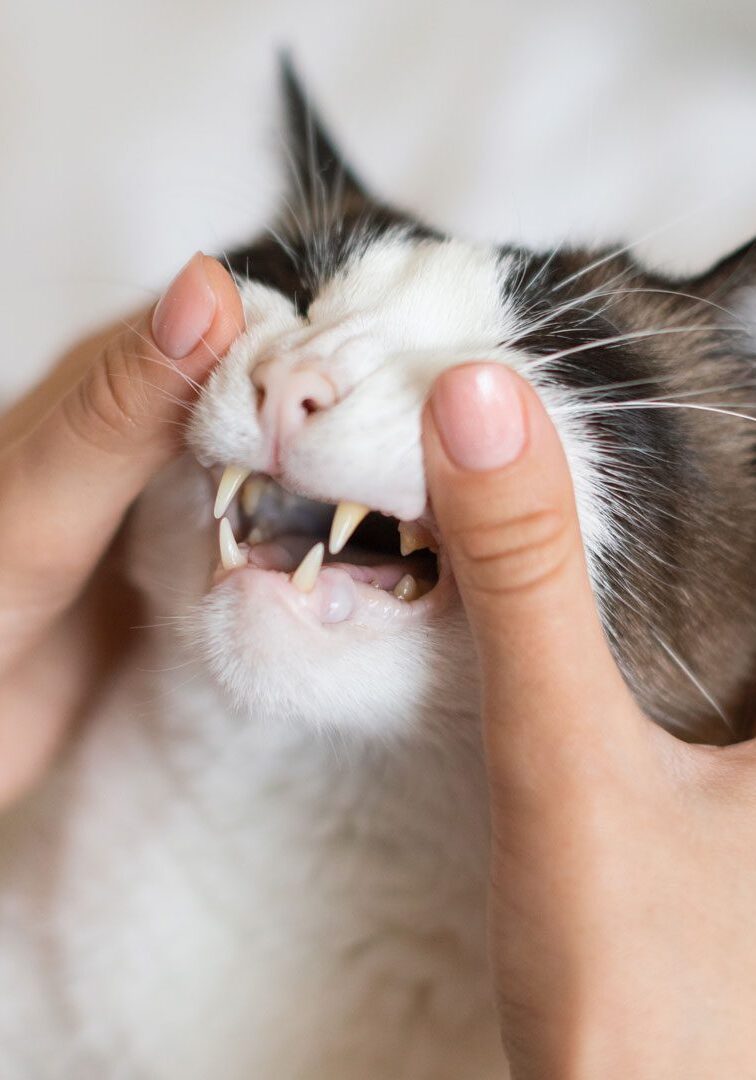
Here's what unchecked dental disease can lead to in pets:
- Chronic pain — Pets rarely show obvious signs of tooth pain, but that doesn't mean they aren't feeling it. Broken teeth, infected roots, and inflamed gums are painful, and many pets simply learn to live with the discomfort quietly.
- Tooth loss — Gum disease destroys the structures that hold teeth in place. Without treatment, even healthy-looking teeth can become loose and eventually need to be extracted.
- Bacterial spread — The bacteria behind dental disease don't stay local. They can enter the bloodstream and travel to the heart, kidneys, and liver, contributing to serious systemic illness over time.
- Difficulty eating — Oral pain can make chewing uncomfortable, leading to changes in appetite, weight loss, and reduced quality of life.
The earlier dental disease is caught, the easier — and less costly — it is to treat. Annual dental exams are one of the best investments you can make in your pet's long-term health.
How You Can Care for Your Pet’s Oral Health at Home
Professional cleanings are essential, but the care doesn't stop when your pet leaves our animal hospital. Daily home care makes a real difference in slowing the progression of dental disease between visits.
Here's how to support your pet's oral health at home:
Brush their teeth daily
Daily brushing is the single most effective thing you can do. Use a pet-safe toothpaste (never human toothpaste) and a soft-bristled brush or finger brush. Start slow, keep it positive, and build it into your routine.
Offer dental chews and toys
VOHC (Veterinary Oral Health Council) approved dental chews and toys can help reduce plaque and tartar buildup between brushings. Ask our team for recommendations based on your pet's size and chewing habits.
Consider dental rinses, dental wipes, or water additives
These can be a great supplement for pets who won't tolerate brushing. Again, look for VOHC-approved products.
Watch for warning signs
Bad breath, yellow or brown buildup on the teeth, red or swollen gums, pawing at the mouth, or a change in eating habits are all signs worth bringing up at your next visit.
Not sure where to start? Our team is always happy to walk you through a home dental care routine at your next appointment. Give us a call at (905) 853-4738 or request an appointment.