
The Red Flag List: 5 Subtle Signs Your Pet Is Living with Dental Pain
Yes, your pet may have dental pain right now and you might not know it. Animals are instinctively wired to conceal discomfort, which means pet dental pain rarely announces itself with dramatic symptoms. Instead, it tends to show up in subtle behavioral shifts that are easy to dismiss or misinterpret.
Our team at Blackstone Animal Hospital in East Gwillimbury, Ontario has compiled the five most telling signs that your dog or cat may be experiencing dental pain because catching them early makes an enormous difference.
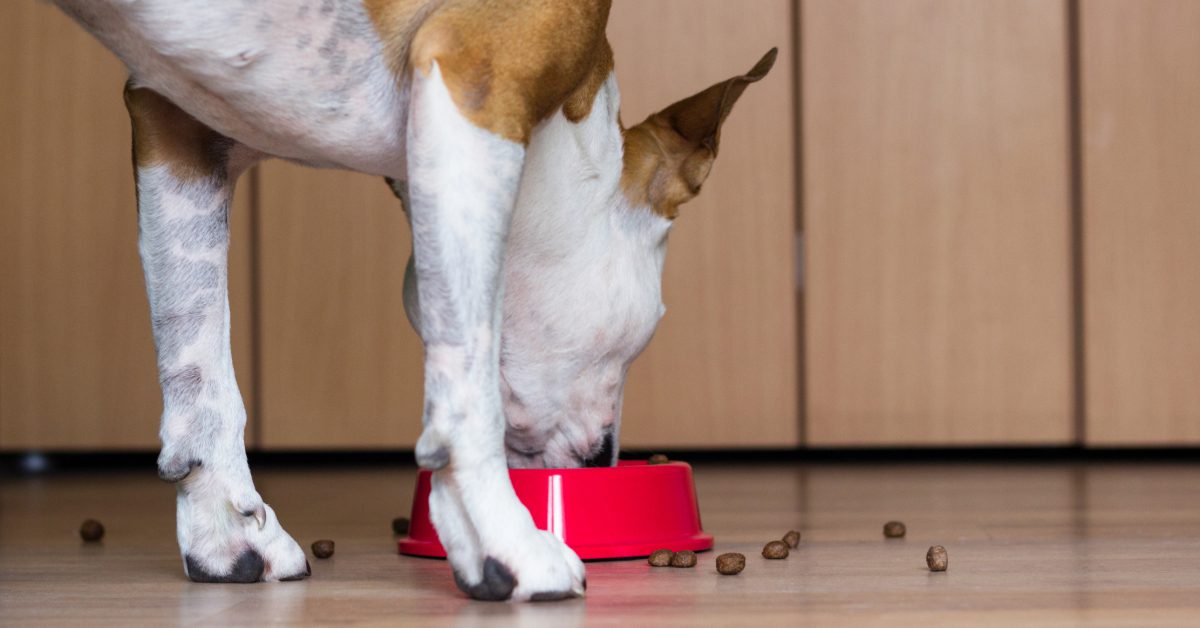
Is Your Pet “Picky,” or Are They Actually Struggling to Chew?
Changes in eating behavior are one of the most common and commonly misread signs of pet dental pain. When a dog or cat begins dropping food from their mouth, chewing on one side only, eating more slowly than usual, or showing sudden reluctance around food they previously loved, dental discomfort is often the root cause.
These behaviors are frequently explained away as pickiness, aging, or a preference for a different food. But in many cases, the animal has simply learned that eating a certain way or eating at all hurts.
What to Watch For at Mealtime
Pay attention to the following during and after your pet eats:
- Dropping kibble or treats repeatedly
- Pawing at the mouth or face during or after eating
- Suddenly preferring soft food over hard kibble
- Leaving food in the bowl they previously ate enthusiastically
- Taking food from the bowl and carrying it elsewhere before eating
Any of these patterns, especially when new or progressive, warrant a dental examination at Blackstone Animal Hospital. Pet dental pain is not something animals simply “push through”, it affects their relationship with food, their nutrition, and their daily quality of life.
Why Is Bad Breath Never “Normal,” Even for an Older Animal?
One of the most persistent myths in pet ownership is that bad breath, particularly in older dogs, is just a fact of life. It is not. Persistent, unpleasant breath in a dog or cat is a direct indicator of bacterial activity in the mouth, and it should always prompt a dental evaluation.
The odor associated with dental disease in pets is caused by volatile sulfur compounds produced by anaerobic bacteria as they break down tissue. The stronger and more persistent the odor, the more significant the bacterial load and often, the more advanced the pet dental pain and disease.
What “Normal” Pet Breath Actually Smells Like
Healthy pet breath has a mild, neutral, slightly “meaty” quality. It should never be:
- Sharp, sour, or ammonia-like
- Persistently foul even after eating
- Sweet or fruity (which can indicate a separate metabolic concern)
- Noticeably worse on one side of the mouth than the other
Asymmetrical breath odor, where one side of the mouth smells noticeably worse, can indicate an abscess or localized infection on that side. This is a sign of significant pet dental pain and requires prompt attention.
Are Subtle Facial Swelling or Discharge Signs of an Abscess?
Dental abscesses are pockets of infection that form at the root of a tooth, and they are a major source of pet dental pain. They are also frequently missed because the swelling may be subtle, located beneath the eye or along the jaw, and the animal shows no outward distress.
A tooth root abscess, particularly of the upper carnassial tooth in dogs, which sits directly below the eye, can cause visible facial swelling that owners often mistake for an insect sting or allergic reaction. In cats, abscesses may cause subtle asymmetry of the face or jaw that is easy to overlook.
Signs That May Point to a Dental Abscess
Watch for any of the following, particularly if they appear suddenly or on one side of the face:
- Swelling below the eye or along the cheek
- A small draining tract or moist area on the skin near the jaw
- Persistent rubbing of one side of the face
- Reluctance to be touched on or around the face
- Sudden changes in temperament, especially increased irritability
These signs should never be attributed to simple aging or mood. They are potential indicators of a serious dental infection causing active pet dental pain, and they require veterinary evaluation without delay.
Behavioral Shifts: When Personality Changes Signal Oral Discomfort
Chronic pet dental pain changes how animals behave, not because of personality, but because of persistent discomfort. An animal that was once social and playful may become withdrawn or irritable. A dog that loved fetch or tug toys may suddenly lose interest in play involving their mouth. A cat that groomed themselves carefully may start neglecting grooming around the face.
These shifts can happen gradually enough that owners attribute them to aging. In reality, dental disease is one of the most common and correctable causes of behavioral decline in middle-aged and senior pets.
Signs of Chronic Pain to Watch For
- Increased sleeping or decreased interest in interaction
- Reluctance to be touched around the face, muzzle, or ears
- Snapping or growling when touched in areas that were never sensitive before
- Loss of interest in chewing toys, bones, or recreational chews
- Excessive drooling, particularly if new
If your pet has developed any of these patterns and a veterinarian has not recently evaluated their mouth, a dental examination is an important next step.
Excessive Drooling and Pawing at the Mouth
While some breeds naturally drool more than others, a sudden increase in drooling or frequent pawing at the face and mouth is a red flag for pet dental pain that should not be dismissed. These behaviors indicate active oral discomfort as the animal is physically responding to something that hurts.
Pawing at the mouth is particularly significant in cats, who are typically stoic about pain. If a cat is openly pawing at their face, the discomfort is meaningful enough that they can no longer suppress the reaction.
Taking Action on Behalf of an Animal Who Cannot Ask for Help
Pet dental pain is real, it is common, and it is highly treatable, but animals cannot tell you when something hurts. That means the responsibility for recognizing the signs falls entirely on the people who love them. The subtle behavioral and physical changes described above are your pet’s way of communicating that something in their mouth needs attention.
At Blackstone Animal Hospital, dental examinations are a standard component of every wellness visit, and our team is always available to evaluate any specific concerns between scheduled appointments. If something about your pet’s behavior, breath, or eating habits has changed, trust your instincts and make the call at (905) 853-4738.
Recent Posts
About Blackstone Animal Hospital
At Blackstone Animal Hospital in East Gwillimbury, ON, we are independently owned, AAHA-accredited, and Fear Free Certified. We care for dogs and cats with thoughtful medicine and a calm, patient approach.