

Periodontal Disease & The Heart: How Oral Bacteria Can Damage Internal Organs
Oral bacteria in pets don’t stay confined to the mouth, they can enter the bloodstream and travel to vital organs, including the heart, kidneys, and liver, where they trigger chronic inflammation and lasting structural damage. The connection between periodontal disease and systemic illness in dogs and cats is well-documented, and it is one of the most compelling reasons why dental care is genuinely a form of whole-body healthcare.
At Blackstone Animal Hospital in East Gwillimbury, Ontario, our veterinary team is here to help pet owners understand oral bacteria in pets, so they can better prioritize oral care for their companions.
How Does Oral Bacteria Enter the Bloodstream and Travel to the Heart?
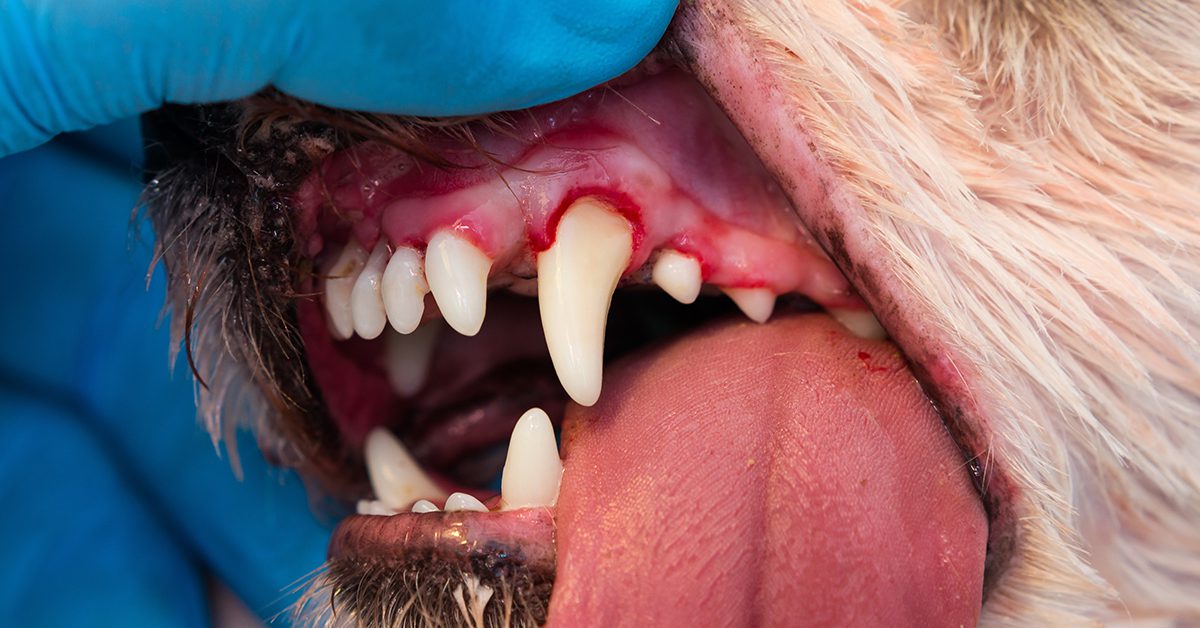
The mechanism by which oral bacteria in pets reach the heart begins with inflammation. In the early stages of periodontal disease, the gum tissue becomes chronically inflamed. As disease progresses and the gum tissue breaks down, the barrier between the oral environment and the underlying blood supply becomes compromised.
Each time an animal chews, the pressure on inflamed gum tissue forces oral bacteria directly into the capillaries beneath the gumline. From there, the bacteria enter systemic circulation and can travel throughout the body. This process (called bacteremia) can occur during normal eating in a pet with active periodontal disease, not just during dental procedures.
Which Bacteria Are Most Dangerous?
Several species of oral bacteria found in pets are particularly associated with systemic disease. These gram-negative anaerobes produce endotoxins, which are compounds that trigger inflammatory responses in tissues throughout the body. Porphyromonas and Fusobacterium are among the genera most frequently identified in studies linking oral bacteria in pets to heart and kidney disease.
The inflammatory response these bacteria trigger in distant organs is the mechanism behind much of the damage. The immune system’s attempt to fight off recurring bacterial invasion causes collateral tissue injury over time.
What Is the Proven Link Between Gum Disease and Canine Heart Murmurs?
The relationship between oral bacteria in pets and cardiac disease has been the subject of significant veterinary research. Studies have found that dogs with moderate to severe periodontal disease have a statistically higher prevalence of certain cardiac abnormalities, particularly changes consistent with endocarditis (infection of the heart valves) and myocardial disease, compared to dogs with healthy mouths.
One landmark study found that the severity of periodontal disease correlated directly with the degree of heart muscle changes observed on post-mortem evaluation. Dogs with advanced dental disease showed microscopic lesions in the heart muscle that were not present in dogs with healthy mouths, providing direct pathological evidence that oral bacteria in pets can cause structural cardiac damage.
What This Means for Cavalier King Charles Spaniels and Other Cardiac-Prone Breeds
Certain breeds, particularly Cavalier King Charles Spaniels, Dachshunds, and other small breeds, are predisposed to mitral valve disease and other cardiac conditions. For these dogs, the management of oral bacteria in pets takes on additional urgency. Dental disease is a preventable risk factor in animals who are already at elevated cardiac risk, and early, consistent dental care is a meaningful part of their overall health management.
Can Chronic Dental Inflammation Lead to Permanent Kidney or Liver Damage?
Yes, and this is an area where the evidence is particularly sobering. The kidneys and liver are both highly vascular organs that act as filtration systems for the bloodstream. When oral bacteria in pets repeatedly enter systemic circulation, these organs are exposed to both the bacteria themselves and the inflammatory mediators they trigger.
Chronic low-grade bacteremia has been associated with:
- Interstitial nephritis — inflammation of the kidney tissue that can lead to chronic kidney disease over time
- Hepatic changes — microscopic liver damage associated with repeated bacterial seeding
- Immune complex deposition — a process in which the immune system’s response to chronic infection deposits damaging complexes in organ tissues
These effects accumulate slowly and are often not apparent until the damage is clinically significant. By the time kidney or liver disease becomes diagnosable on bloodwork, meaningful function has already been lost. This is precisely why our team at Blackstone Animal Hospital emphasizes that managing oral bacteria in pets is not cosmetic, it is medical.
Why Is “Preventative Dentistry” Actually a Form of Whole-Body Healthcare?
Framing dental care as a cosmetic concern misses the point entirely. The reduction of oral bacteria in pets through consistent professional and home dental care directly reduces the bacterial load entering systemic circulation, which means the heart, kidneys, and liver face a lower inflammatory burden over time.
Professional dental cleanings that address subgingival bacteria are particularly impactful in this regard. The bacteria living beneath the gumline, not the visible tartar on the tooth surface, are the primary source of systemic bacterial seeding. A thorough professional cleaning removes these colonies and provides a clean baseline from which home care can be more effective.
How This Changes the Conversation About Dental Costs
When a pet owner weighs the cost of a professional dental cleaning against the cost of treating advanced kidney disease, cardiac complications, or hepatic dysfunction, the value proposition shifts dramatically. Managing oral bacteria in pets through preventive dentistry is consistently less expensive, meaning financially and in terms of the animal’s wellbeing, than managing the systemic consequences of untreated disease.
Our team at Blackstone Animal Hospital is happy to discuss the financial aspects of preventive dental care and help pet owners find approaches that work within their circumstances.
The Mouth-Kidney Connection: A Closer Look
Of all the systemic links to oral bacteria in pets, the kidney connection deserves particular attention because kidney disease is already the leading cause of death in domestic cats. Feline chronic kidney disease (CKD) is widespread, and while it has multiple contributing causes, the role of chronic bacteremia in accelerating renal decline is increasingly recognized in veterinary literature.
For cats especially, managing oral bacteria through regular professional dental cleanings and consistent home care is not optional. It is a meaningful strategy for protecting long-term kidney function and extending quality of life.
Protecting the Whole Animal Through Oral Health
The relationship between oral bacteria in pets and systemic disease is a documented, clinically relevant connection that should inform how every pet owner approaches dental care. A clean, healthy mouth is not just about comfort or fresh breath. It is about protecting the heart, kidneys, and liver from a chronic, preventable source of bacterial stress.
At Blackstone Animal Hospital, dental care is integrated into a whole-pet health philosophy. Our team encourages every pet owner to view their companion’s next dental appointment not as a cosmetic procedure, but as a meaningful investment in their animal’s long-term systemic health. Call our animal hospital at (905) 853-4738 to schedule a dental assessment and learn more about how oral health supports the whole body.
Recent Posts
About Blackstone Animal Hospital
At Blackstone Animal Hospital in East Gwillimbury, ON, we are independently owned, AAHA-accredited, and Fear Free Certified. We care for dogs and cats with thoughtful medicine and a calm, patient approach.